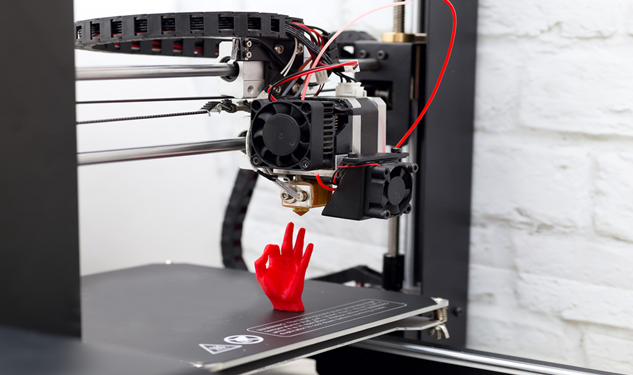
Affordable machines, automatic setup, and simple design software have made 3D printing easier to learn. A desktop machine can now produce custom parts and small batches without molds or large inventories.
Can one printer support a side business? Yes, but the printer is not the business. The product must solve a clear problem, print well each time, and sell for enough to cover its full cost.
Useful Products That Fix Everyday Friction
Functional products offer beginners a clear path to sales. Reliable desktop 3D printers can make small batches for a specific space, device, or task.
1. Custom Organizers
Drawer dividers, cable clips, paint racks, tool holders, and kitchen organizers work well because standard products rarely fit every space. Offer exact sizes for odd drawers, crowded desks, or hobby stations. Selling matched sets or modular pieces can give customers room to expand their storage later. That also creates an opportunity for repeat business when customers come back to add matching pieces instead of starting over with a different solution. Choosing the right 3D printing filaments and resins for the job helps ensure those products hold up to everyday use while delivering the finish customers expect.
2. Hard-to-Find Replacement Parts
Small knobs, clips, covers, spacers, and brackets can keep older items working. Start with non-critical parts whose failure would cause inconvenience, not harm. Ask customers for the product model, measurements, and photos before accepting an order. Avoid parts exposed to heavy loads, high heat, or electricity. Many of the best opportunities come from products that are no longer supported by the manufacturer but are still used every day.
3. Small-Business Fixtures
Local shops may need label holders, scanner cradles, shelf dividers, cable guides, or display stands made for existing equipment. A useful custom fixture may lead to repeat orders when the business adds workstations or changes its layout. One satisfied local business can also become a source of referrals to other shops with similar needs. 3D printer tools, including digital calipers and trimming tools, help you check dimensions and clean each part before it reaches a customer
Creative Niches Where Customization Matters
4. Personalized Gifts and Home Decor
Names, dates, colors, and custom sizes can make a basic object personal. Options include signs, keepsake boxes, plant accessories, desk pieces, and 3D-printed gift boxes. Seasonal designs for birthdays, weddings, graduations, and holidays can create repeat demand. Planning around seasonal demand also helps spread sales throughout the year instead of relying on a single holiday rush. The most popular products typically pair personalization with a useful purpose, such as storage or display.
5. Gaming and Streaming Accessories
Gamers may pay for controller stands, headset hooks, card holders, camera mounts, and cable guides made for a specific device or desk. People are often willing to pay more for an accessory that solves an annoyance in their own setup than for another generic desk decoration. Offering versions for several common device models can widen the audience without changing the basic design. A generic stand with a logo offers less benefit than one that fixes a setup problem.
6. Tabletop, Cosplay, and Hobby Components
Board-game inserts, terrain, miniature storage, paint racks, model-railroad parts, RC accessories, and cosplay details serve active hobby groups. Buyers in these groups tend to notice poor fit, rough surfaces, and weak parts, so quality control is important. A 3D printer resin setup can produce fine detail for miniatures. Filament printers often suit larger parts, storage pieces, and props.
7. Event Signage and Vendor Displays
Markets, weddings, and local events need sign holders, badge clips, menu stands, risers, and display fixtures. Modular stands that accept replaceable signs can serve the same customer across several events. These orders suit short production runs and quick design changes.
- Downloaded model files do not always include permission to sell printed copies.
- Use your own designs, files with clear commercial terms, or paid seller licenses.
- Avoid unlicensed characters, logos, and branded props.
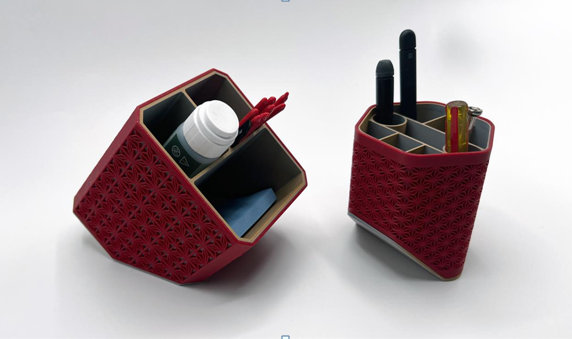
Image courtesy of Dan Acherman at Micro Center
Purpose-Built Tools and Local Services
Some side hustles sell a service rather than a stocked product. They may require stronger design and communication skills.
8. Educational Tools
Teachers, tutors, and families may need fraction sets, molecule models, maps, geometric solids, and tactile learning aids. Custom pieces can match a lesson, age group, language, or learning style. Teachers often appreciate classroom materials that are easy to organize, durable enough for repeated use, and simple to replace if a piece goes missing.
9. Low-Risk Accessibility Aids
Key turners, zipper pulls, switch extenders, utensil grips, and larger handles can make daily tasks easier. Work with the person who will use the item. Test comfort and fit. Begin with simple products that face low force and can be adjusted for the user’s hand size or device. Do not make medical claims or present an untested item as certified equipment.
10. Rapid Prototyping Services
Students, inventors, and small firms may need a physical model before full production. You can print early versions to test size, shape, fit, or comfort. Set clear terms for file preparation, material choice, delivery time, and design changes before work begins. Clients may provide CAD files, but you must understand supports, tolerances, print direction, and material limits. Many clients aren’t looking for a finished product yet. They’re looking for an affordable way to test an idea before investing in larger-scale manufacturing
Turn a Good Print Into a Sellable Product
A clean print is not always ready for sale. Research on implementation barriers in 3D printing points to skills, technical readiness, rules, and customer trust as factors in successful adoption.
- Test More Than Appearance: Check fit, strength, assembly, balance, comfort, and repeated use. A good-looking part can still crack or wobble.
- Record Every Revision: Track material, layer height, wall thickness, infill, supports, print time, measurements, and file changes.
- Count the Full Cost: Include material, machine time, electricity, labor, failed prints, upkeep, packaging, shipping, seller fees, and customer service.
- Know the Limits: Avoid medical, structural, mains-powered electrical, load-bearing vehicle, food-contact, and other safety-critical products without proper testing and approval.
Start With One Useful Thing
Academic research on 3D printing and entrepreneurship links lower-cost production with faster testing, custom work, and new small-business paths. Your first strong product may be a drawer divider, replacement clip, or tool holder that works better than the options already available.
Resist the temptation to launch ten different products at once. Many successful side hustles begin with one product that solves one problem exceptionally well, then grow as customers ask for related products.
A 3D printer can open the door to dozens of business ideas, but lasting success usually comes from solving one problem exceptionally well. Start small, refine your process, and let customer feedback guide what you build next.